


Agriculture, FAZI 2026 is nearing a sell-out: the sector continues to invest to ensure productivity, quality, and competitiveness.
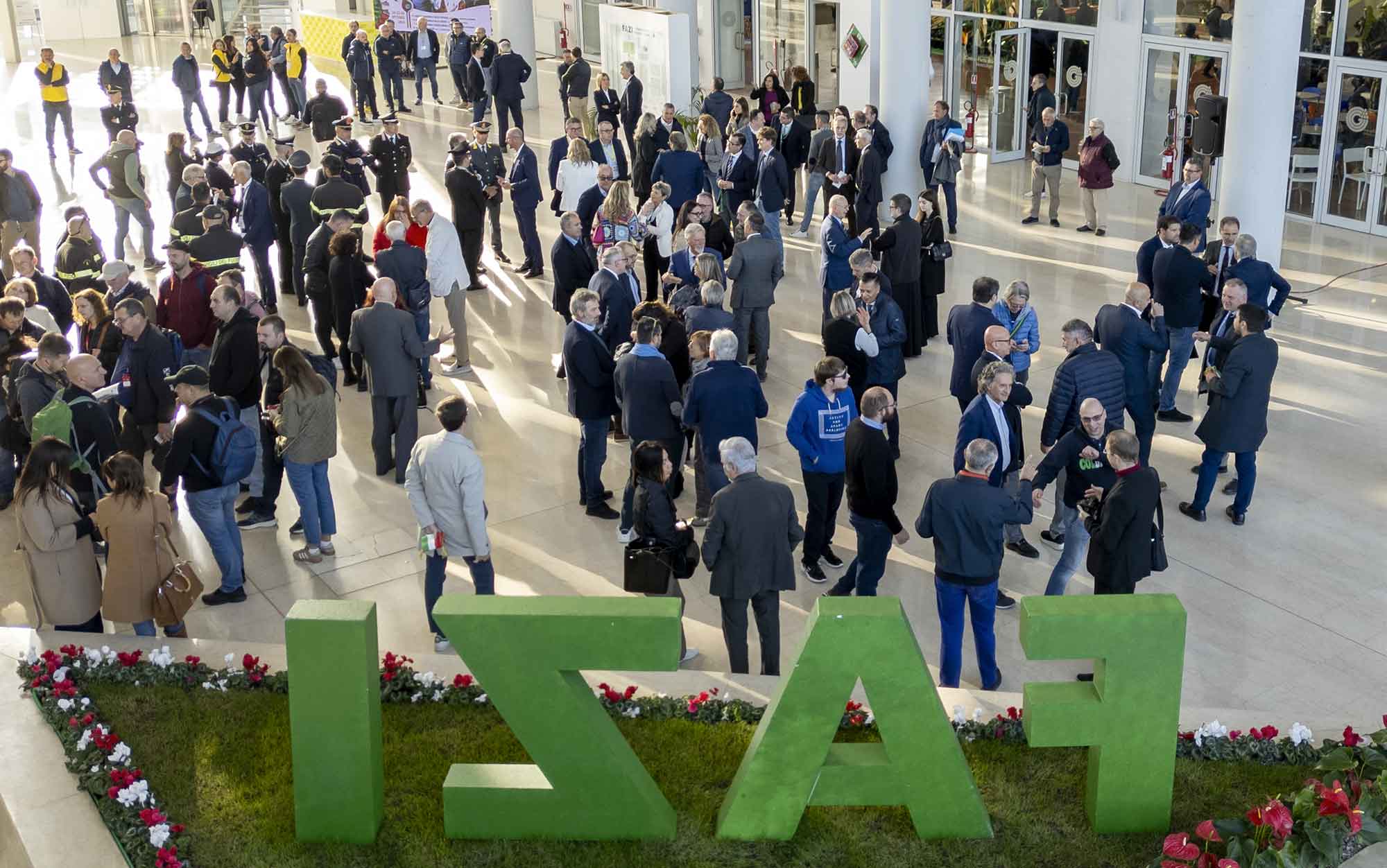
There are five months to go until the 98th edition of FAZI, scheduled for October 23-25 at the Montichiari Exhibition Center. Signs of confidence are evident, so much so that President Gianantonio Rosa announced that “registrations for the event are proceeding at a rapid pace and the entire exhibition center is on track to sell out.” Nine pavilions and 45,000 square meters, including a ring for livestock events with Anafibj: the national dairy cow shows for the Italian Friesian, Brown, and Jersey breeds, as well as the national rabbit show, which, as is tradition, are one of FAZI’s main attractions.
FAZI, increasingly an international showcase for agriculture and livestock farming, remains incredibly appealing, extending well beyond the temporary market turbulence, which has seen cereal and oilseed prices stagnate while production, fuel, and fertilizer costs rise.
“Farmers’ investments continue, while waiting for the release of ministerial incentives, particularly in the digitalization process, which increasingly appears to be a necessary path to improving competitiveness, increasing production, further enhancing quality, and containing production costs,” observes Ezio Zorzi, general manager of the Montichiari Exhibition Center. “This is confirmed, in fact, by the FAZI 2026 figures.”
The cyclical nature of the markets is now well established. Spot milk is recovering, and prices for Grana Padano and Parmigiano Reggiano reinforce the PDO model as highly profitable. Meanwhile, prices for slaughter pigs are expected to rise, reflecting cyclical growth in consumption ahead of the upcoming summer. Agricultural entrepreneurs and supply chains have realized that price fluctuations, both upward and downward, and volatility are inevitable in a context of market uncertainty.
FAZI is once again positioning itself as a hub for presenting new products, technological innovation, and in-depth analysis—also through conferences—on the sector’s emerging challenges, including emerging lifestyles and food consumption trends that offer new opportunities for supply chains. This is particularly true of the booming price of whey protein, which has quintupled since 2023, reaching €28,000 per ton, driven by growing protein demand and its use in sports supplements, as well as in food products such as yogurt, bread, and even carbonated drinks.
Farmers’ role will have to go beyond the production of raw materials and food, and environmental challenges will represent a new opportunity—including economic ones—for businesses, Zorzi believes. “The European Commission is moving forward, albeit with some bureaucratic delays, to equate the use of digestate and organic fertilizers with synthetic ones, thus combining social, environmental, and economic aspects,” explains the general director of the Montichiari Exhibition Center. “Furthermore, the agricultural sector will be able to play a leading role in the carbon credit game, once the guidelines and the value of actions aimed at carbon sequestration and combating climate change through regenerative agriculture practices have been outlined and defined.”
Naturally, the growth of multifunctional agriculture is also central, an opportunity inaugurated by the Agricultural Orientation Law, which recently celebrated its first 25 years and is now widespread nationwide. Today, the value of multifunctional activities, including related and support activities, has increased from €6.3 billion to approximately €15 billion, representing over a fifth of total agricultural GDP (source: Istat), involving approximately 380,000 agricultural businesses in Italy, including agritourism, agricultural product processing and direct sales, renewable energy production, and service activities.